Newsroom
Rwanda Hosts Regional Workshop to Strengthen Flood Early Warning and Anticipatory Action in the Nile Basin
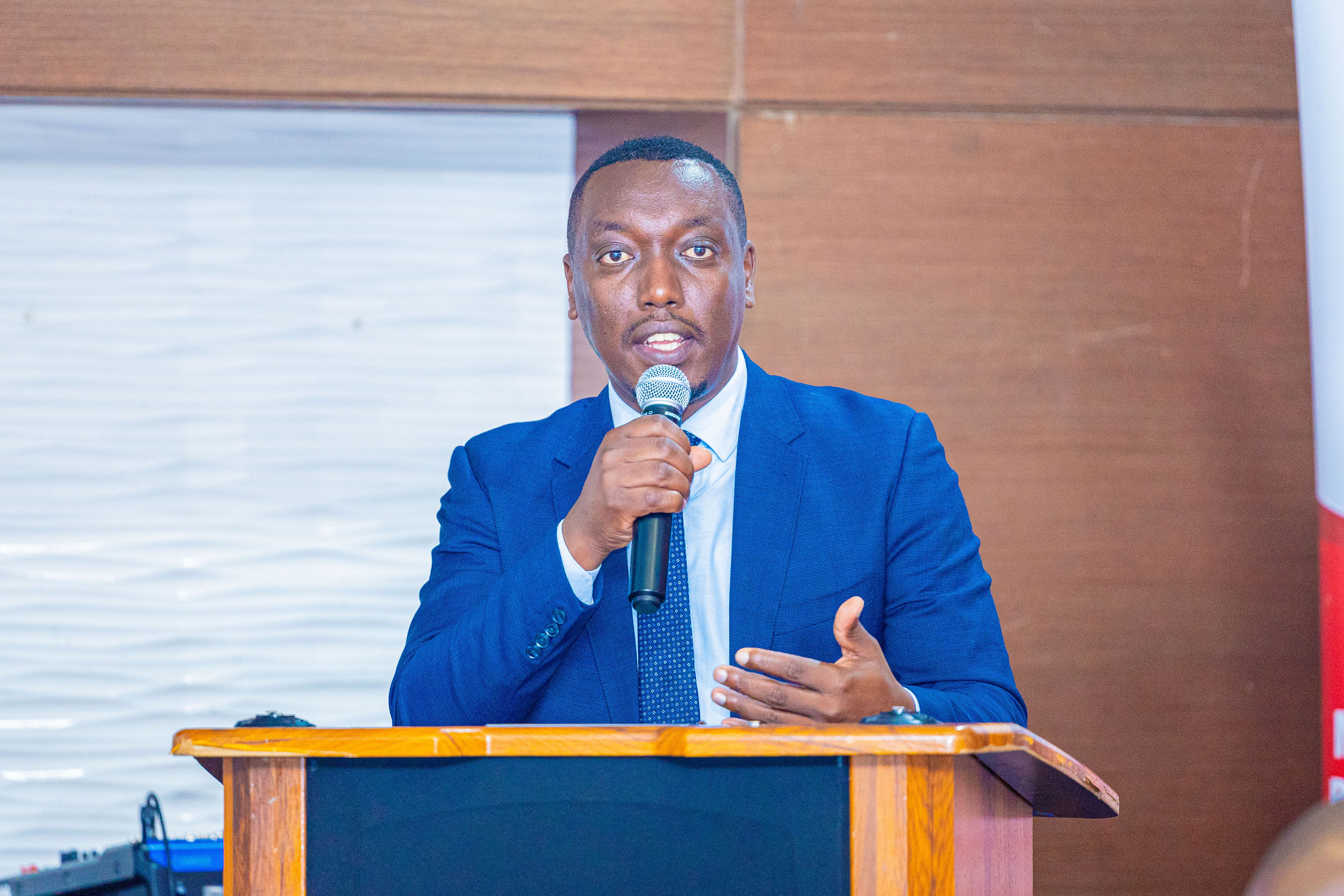
Rwanda is hosting a four-day regional technical workshop (27–30 April 2026) focused on strengthening multi-hazard risk assessment, advancing hydrological forecasting systems, and enhancing flood early warning and anticipatory action across the Nile Basin.
The workshop, officially opened by the Permanent Secretary in the Ministry in charge of Emergency Management (MINEMA), Mr. Ngoga Aristarque, is held under the Water at the Heart of Climate Action initiative, funded by the Government of the Netherlands. It brings together technical experts from Rwanda, Ethiopia, Uganda, South Sudan, and Sudan, alongside key international and regional partners including the World Meteorological Organization (WMO), the United Nations Office for Disaster Risk Reduction (UNDRR), IGAD Climate Prediction and Applications Centre (ICPAC), the University of Twente (ITC), and the Red Cross Movement.
In his opening remarks, PS Ngoga emphasized Rwanda’s commitment to strengthening disaster preparedness through science-based and integrated approaches. He highlighted the importance of shifting from traditional weather forecasting to impact-based forecasting, noting that effective early warning systems must go beyond predicting hazards to anticipating their real-world consequences on people, infrastructure, and livelihoods.
“By integrating hazard, exposure, and vulnerability data, countries can generate actionable risk information that enables timely early action, ultimately saving lives and protecting development gains,” he noted.
The workshop focuses on improving multi-hazard risk assessment and mapping, enhancing multi-model hydrological forecasting systems, and developing interoperable platforms that support decision-making for early warning and anticipatory action. Participants are also working on validating forecasting models, refining visualization tools, and strengthening the link between risk data and forecast outputs.
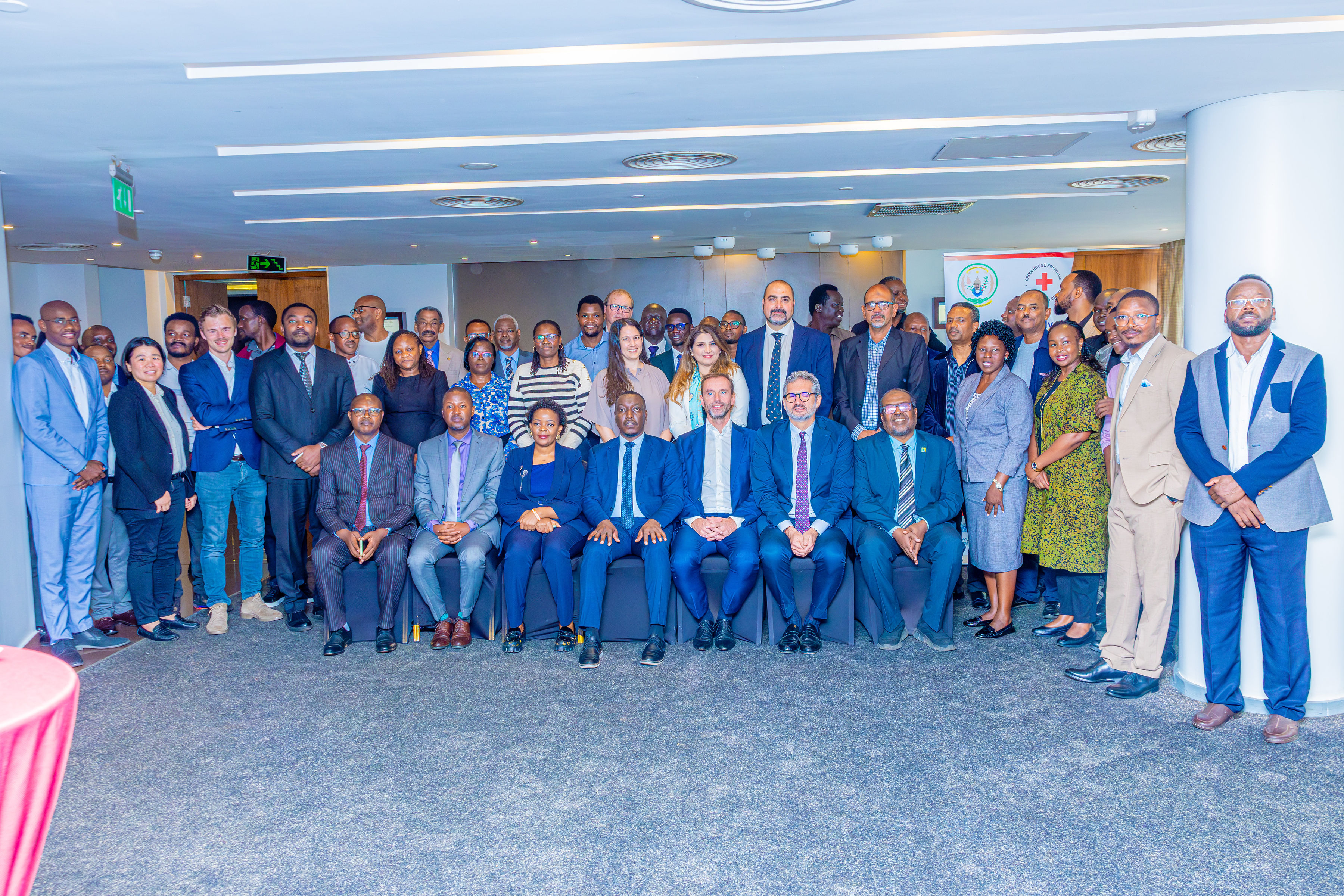
A key component of the discussions is the development of an integrated, multi-model forecasting system that combines various hydrological models to improve accuracy and reliability. This system will be supported by an interoperable platform designed to facilitate real-time data sharing and coordinated responses among national meteorological services, disaster management authorities, and humanitarian actors.
The workshop also aims to define a clear roadmap for implementing impact-based forecasting in the region, including the development of operational plans for testing the system during upcoming rainy seasons. It further seeks to strengthen collaboration among stakeholders across the early warning value chain, from data generation to decision-making and early action.
By hosting this workshop, Rwanda reaffirms its leadership in disaster risk management and its commitment to regional cooperation in building resilient systems that can effectively respond to climate-related risks.
The outcomes of the workshop are expected to contribute to more effective early warning systems, improved preparedness, and enhanced capacity to anticipate and respond to flood risks across the Nile Basin.
Rwanda Hosts Regional Workshop to Strengthen Flood Early Warning and Anticipatory Action in the Nile Basin
Rwanda is hosting a four-day regional technical workshop (27–30 April 2026) focused on strengthening multi-hazard risk assessment, advancing hydrological forecasting systems, and enhancing flood early warning and anticipatory action across the Nile Basin.
The workshop, officially opened by the Permanent Secretary in the Ministry in charge of Emergency Management (MINEMA), Mr. Ngoga Aristarque, is held under the Water at the Heart of Climate Action initiative, funded by the Government of the Netherlands. It brings together technical experts from Rwanda, Ethiopia, Uganda, South Sudan, and Sudan, alongside key international and regional partners including the World Meteorological Organization (WMO), the United Nations Office for Disaster Risk Reduction (UNDRR), IGAD Climate Prediction and Applications Centre (ICPAC), the University of Twente (ITC), and the Red Cross Movement.
In his opening remarks, PS Ngoga emphasized Rwanda’s commitment to strengthening disaster preparedness through science-based and integrated approaches. He highlighted the importance of shifting from traditional weather forecasting to impact-based forecasting, noting that effective early warning systems must go beyond predicting hazards to anticipating their real-world consequences on people, infrastructure, and livelihoods.
“By integrating hazard, exposure, and vulnerability data, countries can generate actionable risk information that enables timely early action, ultimately saving lives and protecting development gains,” he noted.
The workshop focuses on improving multi-hazard risk assessment and mapping, enhancing multi-model hydrological forecasting systems, and developing interoperable platforms that support decision-making for early warning and anticipatory action. Participants are also working on validating forecasting models, refining visualization tools, and strengthening the link between risk data and forecast outputs.
A key component of the discussions is the development of an integrated, multi-model forecasting system that combines various hydrological models to improve accuracy and reliability. This system will be supported by an interoperable platform designed to facilitate real-time data sharing and coordinated responses among national meteorological services, disaster management authorities, and humanitarian actors.
The workshop also aims to define a clear roadmap for implementing impact-based forecasting in the region, including the development of operational plans for testing the system during upcoming rainy seasons. It further seeks to strengthen collaboration among stakeholders across the early warning value chain, from data generation to decision-making and early action.
By hosting this workshop, Rwanda reaffirms its leadership in disaster risk management and its commitment to regional cooperation in building resilient systems that can effectively respond to climate-related risks.
The outcomes of the workshop are expected to contribute to more effective early warning systems, improved preparedness, and enhanced capacity to anticipate and respond to flood risks across the Nile Basin.